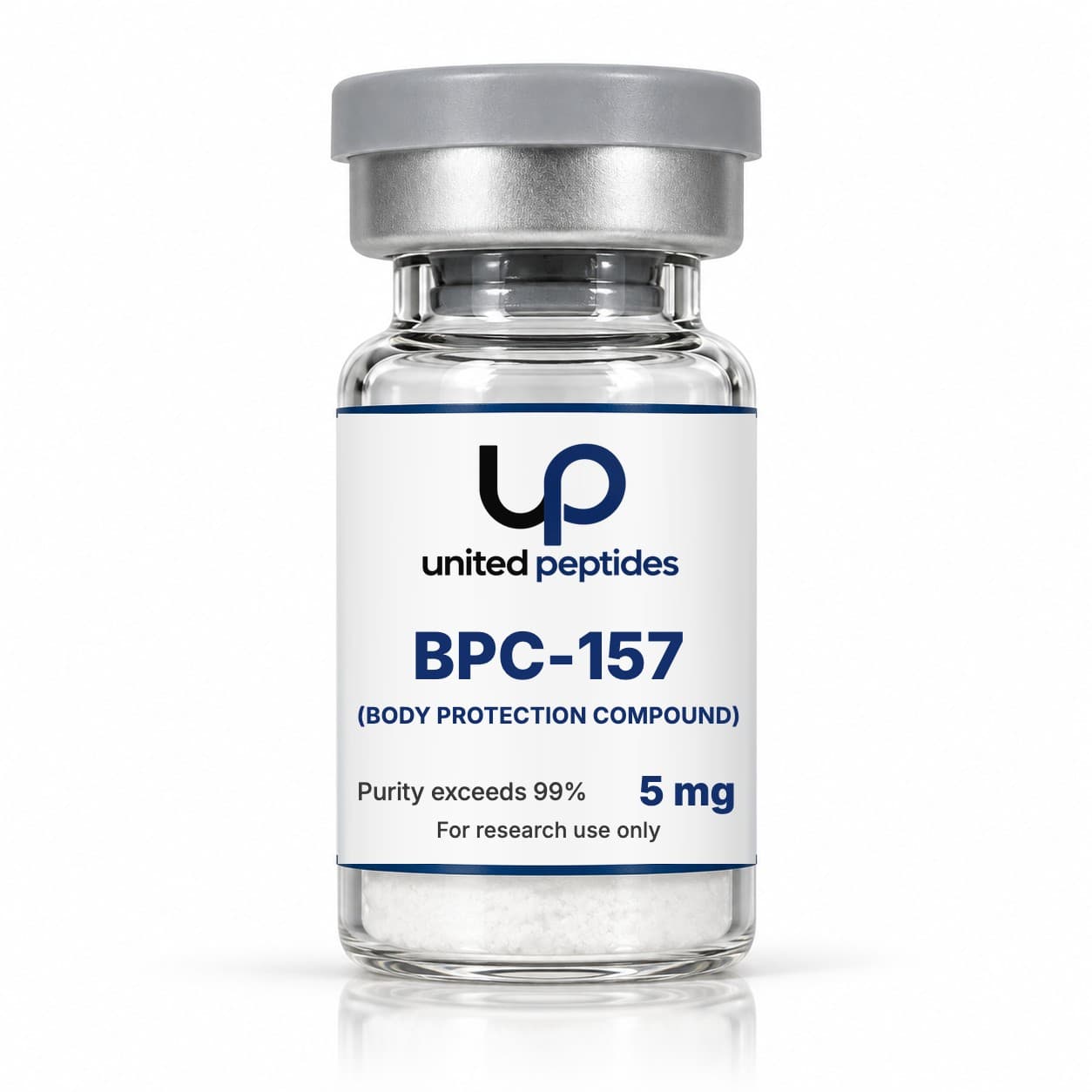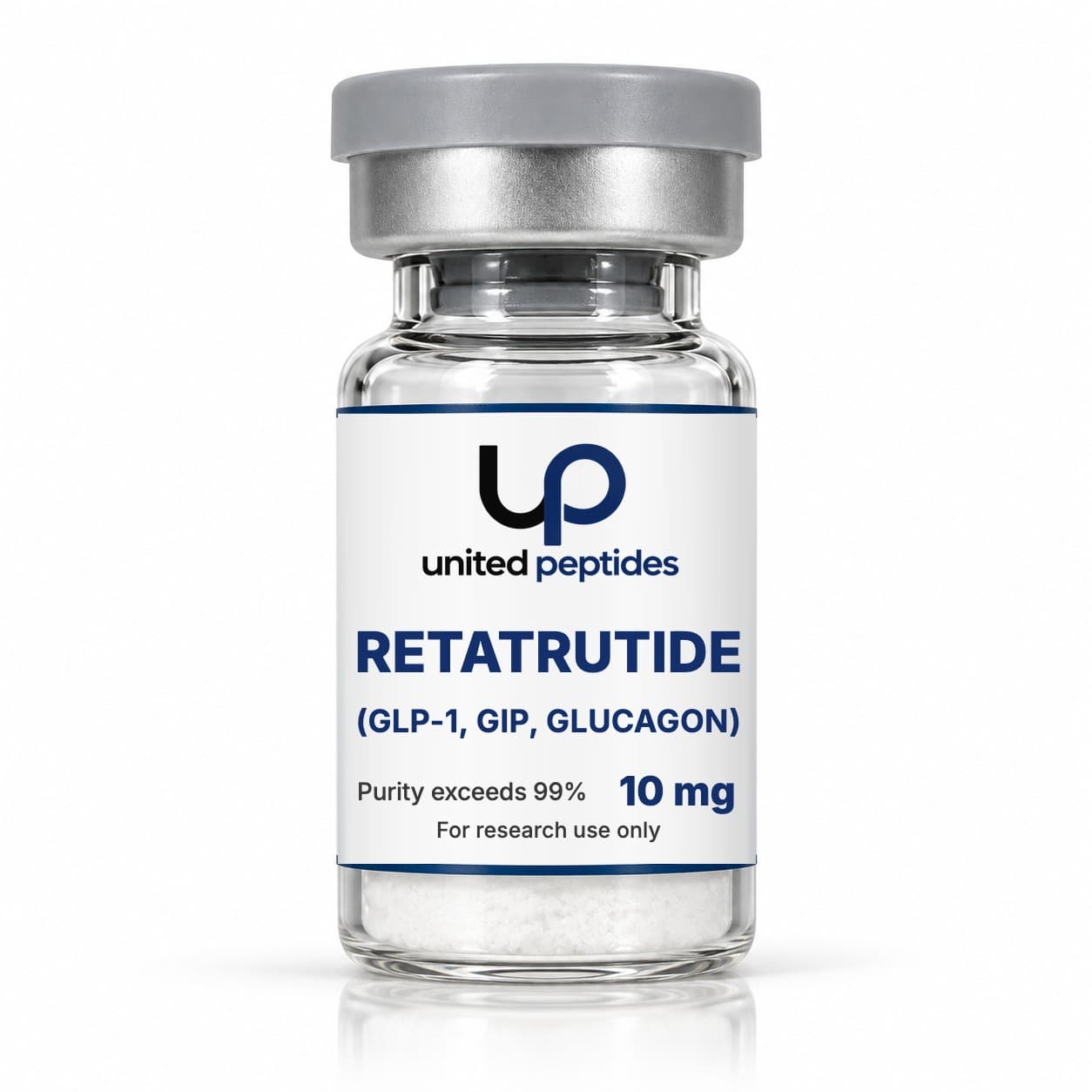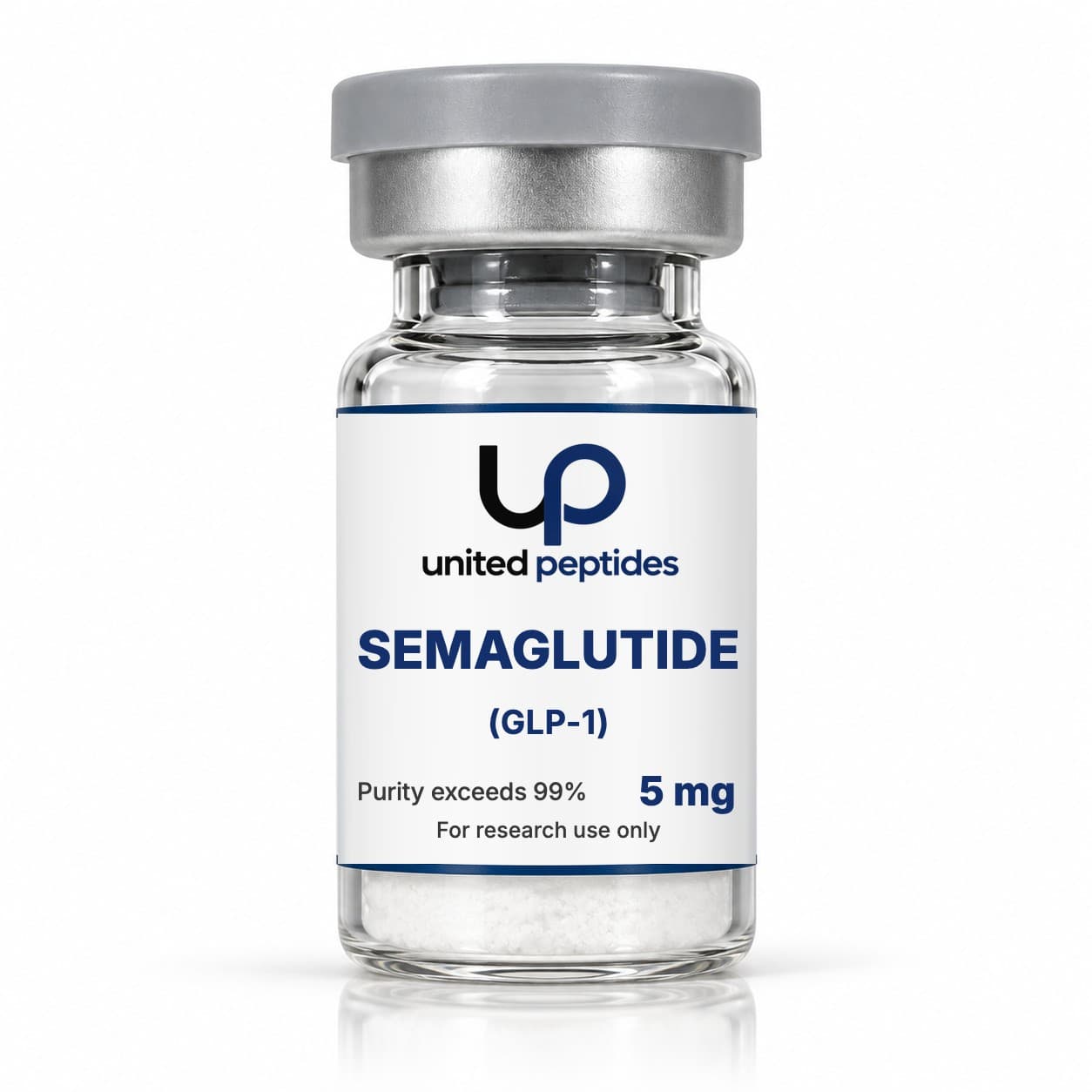

A certificate describes a batch, and a batch is filled into hundreds or thousands of vials that nobody weighs individually. So the composition figures on the document — purity, content, counter-ion — apply to your vial, while the quantity in it is whatever the filling operation put there. Those are different kinds of claim, and only the first is backed by a measurement on the material you received.
What filling can and cannot hold
Lyophilised peptides are filled as a solution and then dried, which is the part that makes accuracy achievable at all. Dispensing a volume of liquid is far more repeatable than dispensing a few milligrams of static-prone powder — weighing it would be considerably worse.
But a volumetric dispense still has a tolerance, and that tolerance is a percentage of the volume rather than an absolute. The smaller the fill, the larger the proportional uncertainty, which is why very small fills are the ones where this matters most.
| Stage | Contributes to variation? | Why |
|---|---|---|
| Solution concentration | No, within a batch | One bulk solution; uniform if properly mixed |
| Volumetric dispense | Yes | Pump tolerance, typically a small percentage |
| Drying | Slightly | Position in the dryer affects residual moisture |
| Stoppering and sealing | No | Does not change mass |
| Storage after filling | Yes, over time | Moisture ingress differs if seals differ |
How much do two vials of one lot actually differ?
For a competently run fill, a small percentage — smaller than the lot-to-lot variation in net peptide content, and usually smaller than the pipetting error in the experiment that follows. It is a real quantity but rarely the dominant one.
Where it becomes significant is at very small fills, where the same absolute tolerance is a larger share, and in operations without tight process control. The honest position is that most buyers will never detect it, and that it sits below several other sources of error they already tolerate.
Why does the drying position matter?
Because a freeze dryer is not perfectly uniform. Shelf position, proximity to the edge and local heat transfer all vary slightly, and residual moisture tracks those differences. A vial from the edge of a shelf can finish with marginally different water content from one in the middle.
That shifts the mass without shifting the peptide, which means two vials with identical peptide content can weigh slightly differently. Residual water is measured on a sample at release, so the certificate reports one value for a batch that has a small distribution behind it.
Why nobody weighs individual vials
It is technically possible and almost never done, for reasons that are sound rather than lazy.
Weighing a filled vial means weighing the glass, the stopper and the contents together, and the glass dominates — a vial weighs grams and the contents weigh milligrams. Detecting a few percent variation in the small component against the large one requires the tare mass of each individual vial, measured before filling, which doubles the handling and introduces its own errors.
The alternative, weighing the contents directly, means opening the vial, which defeats the purpose of sealing it. So the industry standard is statistical: check-weigh a sample across the run, demonstrate the process is in control, and release the batch on that basis.
Does this mean the stated fill is unreliable?
No — it means it is a process guarantee rather than a per-unit measurement, which is a weaker but still meaningful claim. A controlled fill with documented check-weighing is good evidence that any given vial is close to nominal.
What it does not support is treating the label figure as exact for a calculation that depends on exactness. For work where the concentration must be known rather than assumed, quantitation against a standard measures what is actually there, and that is the only route to certainty about a specific vial.
When does any of this change a decision?
Rarely, and in three identifiable cases.
Where a single vial supplies a reference standard, because everything compared against it inherits its error. Where fills are very small and the proportional tolerance is correspondingly large. And where results are being compared across vials within a study, which is the case most likely to arise in practice and least likely to be noticed.
For ordinary work on a standard-fill compound, vial-to-vial variation sits well below pipetting error and net-content uncertainty, and spending effort on it before those is misallocated attention.
Working around it
Two approaches, depending on how much the answer matters.
Pool and aliquot. Reconstitute several vials, combine them, mix, and aliquot from the pool. Every aliquot then has the same concentration by construction, and vial-to-vial variation is averaged rather than inherited. This is standard practice for reference material and it costs only the pooling step.
Measure the stock. Reconstitute, then quantify the resulting solution. This gives the actual concentration of the actual vial and removes the question entirely. It costs an assay and is worth it when a study depends on the number.
Both beat the common approach, which is to assume the label and discover later that two arms of an experiment were not at the same concentration.
Does this interact with lot-to-lot variation?
They stack, and they are frequently confused. Lot-to-lot variation is between batches and shows up in content, purity and impurity profile. Vial-to-vial variation is within a batch and shows up only in quantity.
The practical difference is which one the certificate helps with. A per-lot certificate addresses the first completely — the figures are measured on that batch. It addresses the second not at all, because no document describes an individual vial. Two vials from one lot share a certificate and may not share a mass to three significant figures.
Should this be recorded in a write-up?
Only where it was controlled for. "Pooled from three vials of lot X" is worth stating, because it tells a reader the concentration was averaged rather than assumed. "Reconstituted one vial of lot X" is the normal case and needs no caveat.
What is worth avoiding is implying a precision the method did not have. A concentration quoted to four significant figures from a label fill of a nominal 10 mg asserts an accuracy that no step in the chain supports, and a reader who knows how vials are filled will notice.
Putting it in proportion
It is worth being clear about where this sits among the things that can go wrong, because the attention it gets is often inverted relative to its size.
Pipetting error at small volumes is usually larger. Net peptide content, if uncorrected, is larger by an order of magnitude. Adsorption at low concentration can be larger again. Vial-to-vial fill variation sits below all three for a competently filled product.
So the sensible order of attention is: apply the content correction, control the volumetric steps, then worry about the fill. Reversing that spends effort on the smallest term while the largest goes unaddressed.
Does a check-weighing record exist to be asked for?
For a manufacturer running a controlled fill, yes — in-process weight checks across a run are standard, and the data exists even though it rarely appears on a certificate. It is a reasonable thing to ask about where a study depends on fill accuracy.
What comes back is usually a statement that the process was in control rather than a per-vial figure, which is the right answer and also the limit of what the method supports. Where material has been repackaged downstream, the original check-weighing may not describe the vials actually supplied.
How does this affect comparing two experiments?
It adds a small, unmeasured difference whenever two arms used different vials, which is the ordinary case. For most work that difference is below the noise. For a tight comparison it is one more reason to prepare both arms from a single reconstituted stock rather than from two vials, which eliminates the variable entirely rather than estimating it.
Does this argue for buying larger vials?
Mildly, and for a reason that is easy to miss. A larger fill has a smaller proportional tolerance, because the same dispense accuracy spread over more volume is a smaller share of it. So a 10 mg vial is marginally more predictable in relative terms than a 1 mg one.
That is a weak argument on its own and it points the same way as the cost argument, which is stronger. Choosing between sizes should turn on how fast the material will be used, with this as a minor consideration rather than a deciding one.
Is pooling always the better option?
Not always — it trades one risk for another. Pooling averages the fill variation, which is the gain. It also commits every aliquot to a single reconstitution event, so a mistake at that step affects the whole study rather than one vial.
For a long programme where comparability matters, that trade is worth taking and the reconstitution is worth doing carefully. For short exploratory work, reconstituting one vial at a time keeps each experiment independent, and the fill variation is below the noise anyway.
All products referenced here are supplied for laboratory and research use only. They are not drugs, foods, supplements or cosmetics, and are not for human or veterinary use.